
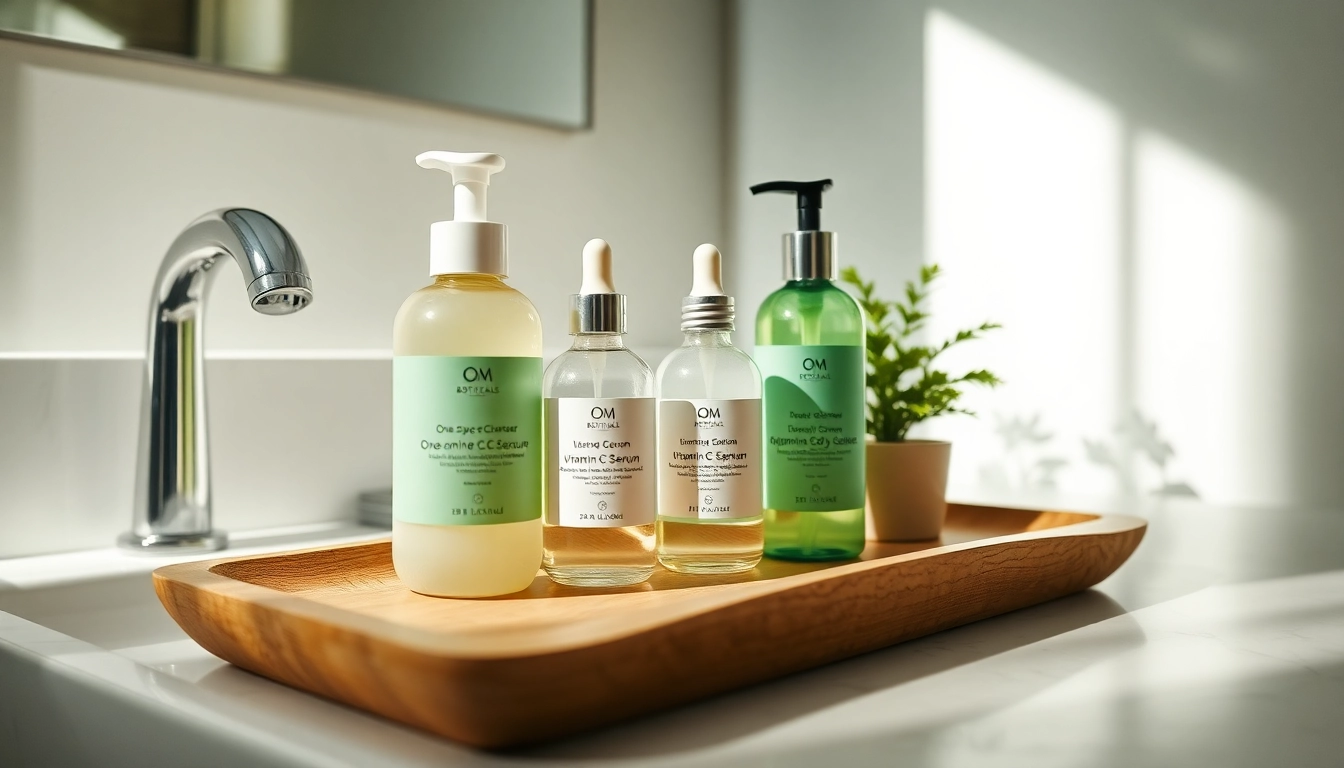
Understanding Microbiome-Friendly Skincare
The skin microbiome plays a crucial role in maintaining our skin’s health, and as we step into a new year, it’s essential to prioritize skincare that supports this natural ecosystem. At OM Botanical, we recognize the unique needs of your skin, and our products are designed to work with your microbiome instead of against it. By integrating microbiome friendly skincare into your regimen, you can achieve a more balanced, radiant complexion.
What is the Skin Microbiome?
The skin microbiome consists of trillions of microorganisms, including bacteria, fungi, and viruses, that inhabit the surface of our skin. These tiny inhabitants play a vital role in protecting our skin from pathogens, regulating inflammation, and contributing to overall skin health. When the balance of these microorganisms is disrupted—due to factors such as stress, diet, or harsh skin products—it can lead to various skin issues, including acne, eczema, and premature aging.
The Importance of a Balanced Microbiome
A balanced skin microbiome is essential for maintaining healthy skin. This balance helps to keep harmful bacteria at bay while promoting the growth of beneficial microbes. When the microbiome is out of balance, our skin can become sensitive, irritated, and prone to conditions like rosacea and dermatitis. Moreover, a well-functioning microbiome aids in the skin’s natural barrier function, preventing moisture loss and protecting against environmental aggressors.
Common Misconceptions about Microbiome Skincare
There are many myths surrounding microbiome skincare. One common misconception is that all bacteria are harmful and should be eliminated. In reality, many types of bacteria are beneficial and crucial for maintaining skin health. Another misunderstanding is that all “natural” products are microbiome-friendly. However, even some natural ingredients can disrupt the balance of skin flora, emphasizing the need for informed product choices.
Key Ingredients in Microbiome-Friendly Products
Natural Extracts and Their Benefits
Natural extracts are integral to formulating microbiome-friendly skincare. Ingredients like aloe vera, chamomile, and green tea are known for their soothing and anti-inflammatory properties. These extracts help to calm irritated skin while promoting a healthy microbiome. Additionally, prebiotics such as inulin can nourish beneficial bacteria, boosting their growth and activity on the skin.
Ayurvedic Approaches to Skincare
Integrating Ayurvedic principles can further enhance microbiome-friendly skincare. This ancient practice emphasizes harmony and balance, using whole-plant ingredients that support skin health. For example, turmeric and neem are revered for their antimicrobial and anti-inflammatory properties, promoting a robust skin microbiome while addressing various skin concerns.
What to Avoid: Harmful Ingredients
To create a microbiome-friendly skincare routine, it’s crucial to avoid ingredients that can harm your skin’s natural flora. Harsh surfactants, parabens, and synthetic fragrances can strip the skin of its natural oils and disrupt balance. Opting for sulfate-free, non-toxic products ensures you maintain a healthy microbiome while effectively caring for your skin.
How to Build a Microbiome-Friendly Skincare Routine
Step-by-Step Routine for All Skin Types
Building a skincare routine that honors your microbiome involves several essential steps:
- Cleansing: Use a gentle, microbiome-friendly cleanser to remove dirt and impurities without stripping natural oils.
- Toning: Apply a toner that contains prebiotics to support beneficial bacteria.
- Serum: Choose serums with antioxidants, peptides, and natural extracts that nourish and protect your skin.
- Moisturizing: A microbiome-friendly moisturizer will lock in hydration and support the skin barrier.
- Sun Protection: Always apply a broad-spectrum sunscreen during the day to protect against UV damage.
Tips for Hydration and Barrier Repair
Proper hydration is vital for maintaining skin vitality and microbiome health. Incorporating ingredients like hyaluronic acid, glycerin, and ceramides into your routine helps to attract and retain moisture. Additionally, using occlusives such as shea butter can seal in hydration, contributing to a strong skin barrier.
Personalizing Your Skincare Regimen
Everyone’s skin is unique, and personalizing your skincare regimen is essential for achieving optimal results. Conduct patch tests for new products and listen to your skin’s needs. Adjust your routine according to seasonal changes and any specific skin concerns you may have.
Best Practices for Maintaining Skin Health
Daily Habits for Skin Happiness
To keep your skin and its microbiome healthy, develop good daily habits. This includes cleansing your face gently every evening, avoiding overwashing, and moisturizing regularly. Furthermore, staying hydrated by drinking plenty of water will also contribute to your skin’s overall health.
Integrating Diet for Skin Support
A balanced diet rich in vitamins, minerals, and antioxidants can significantly impact skin health. Foods that promote gut health, such as yogurt, kefir, and sauerkraut, can also support your skin microbiome. Incorporating fruits and vegetables high in vitamins A, C, and E will provide additional benefits for skin vitality.
Sustainable Practices in Skincare
Sustainability should be a priority in skincare choices. Opt for brands that focus on eco-friendly practices, such as using recyclable packaging and sustainably sourced ingredients. Supporting companies that give back to the community or engage in social responsibility can enhance your skincare experience while benefiting the planet.
Future Trends in Microbiome Skincare
Emerging Innovations and Products for 2026
As we move into 2026, the skincare industry is poised for exciting developments in microbiome science. Expect to see more brands developing products that are specifically designed to enhance and protect the skin microbiome. Innovations may include personalized skincare solutions based on microbiome analyses, allowing for highly tailored regimens.
The Role of Technology in Skincare
Technological advancements are making their way into skincare, with innovative devices that analyze skin health and microbiome composition. These tools can provide valuable insights, helping individuals to adapt their skincare routines based on their unique skin conditions and microbiome profile.
Expert Predictions for Microbiome Research
Experts predict that further research into the skin microbiome will uncover even more beneficial relationships between skin health and the diverse microbial community. As knowledge expands, skincare formulations will continue to evolve, focusing synergistically on nourishing the skin and its natural inhabitants.