
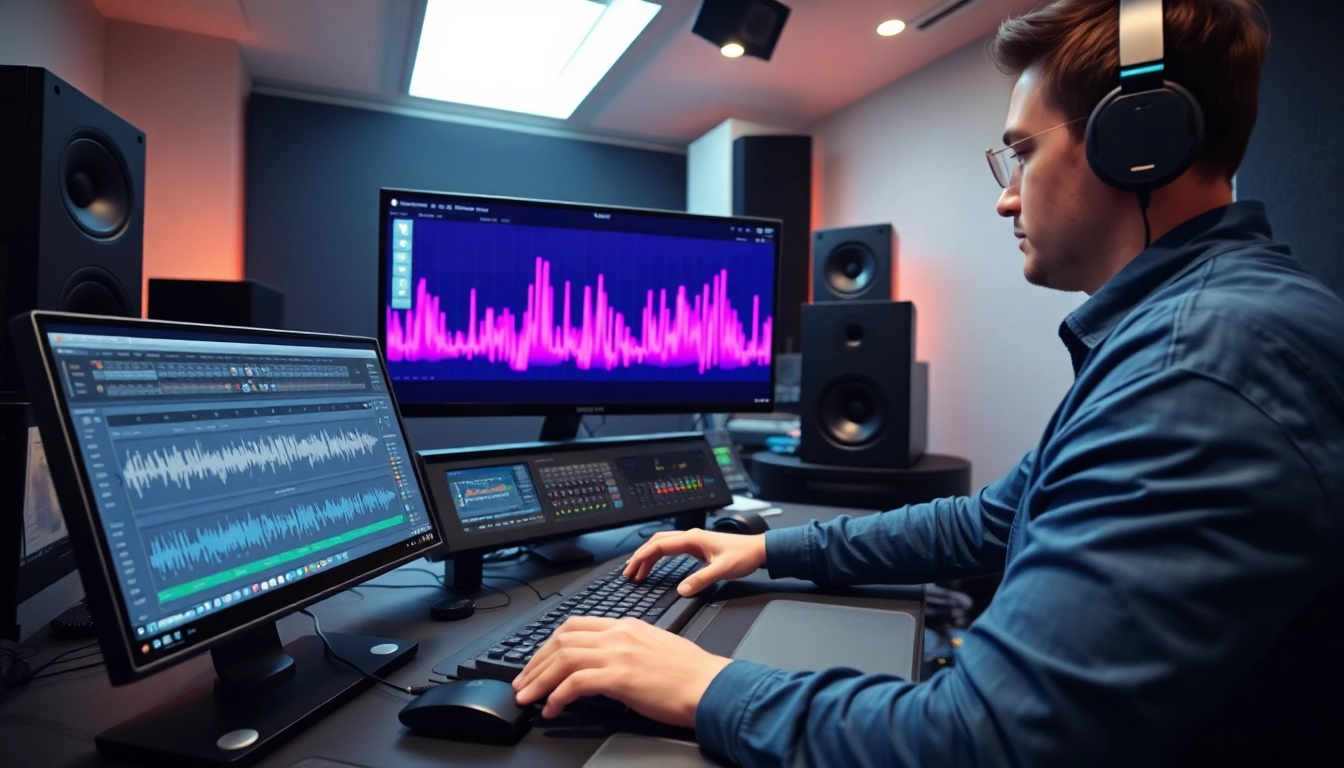
Understanding Online Mastering
What is Online Mastering?
Online mastering is a process that involves preparing and transferring recorded audio from a source to a data storage device. The final mix is refined to ensure that it sounds polished and professional across all playback systems. In essence, it’s the last step in music production before distribution. This process can be done through dedicated online services where audio professionals utilize advanced tools and techniques to elevate your sound. Anyone, from independent musicians to established labels, can leverage online mastering to enhance their music beyond raw recordings.
The Importance of Mastering in Music Production
Mastering is not just about loudness; it is about clarity, consistency, and the overall sonic quality of the music. A professionally mastered track can significantly enhance the listener’s experience by ensuring that all elements of the mix are balanced, frequencies are well-positioned, and dynamics are managed effectively. Since music is played across various devices—from smartphones to high-end sound systems—mastering ensures that your track sounds exceptional no matter where it’s heard.
Common Mistakes in Online Mastering
Many individuals new to the mastering process stumble into pitfalls that can diminish the quality of their work. Some common errors include:
- Over-compressing the audio, which can lead to a lack of dynamic range.
- Ignoring frequency balance, resulting in muddy or harsh sounds.
- Not taking the time to reference their mixes against professionally mastered tracks.
- Forgetting about the various listening environments in which the music will be played.
Avoiding these mistakes can greatly improve the quality and effectiveness of your final product.
Key Principles of Online Mastering
Dynamic Range Management
Dynamic range management is essential in mastering. It refers to the difference between the softest and loudest parts of a track. Maintaining an appropriate dynamic range allows the music to breathe and engage listeners effectively. Mastering engineers utilize tools like compressors and limiters to control this dynamic range, ensuring that the track maintains energy without sacrificing clarity.
Frequency Balancing Techniques
Frequency balancing is about ensuring that all the elements of a track are audible and sound cohesive. This involves equalizing various frequency ranges—bass, mid, and treble. A good mastering session will identify any problematic frequencies that may cause distortion or muddiness in the mix. Utilizing equalizers effectively allows for a polished and professional sound that translates well across all playback systems.
Preparing Your Tracks for Online Mastering
Preparing your tracks involves several critical steps. First, ensure that your mix is well-balanced before sending it off for mastering. Consider the following:
- Leave headroom; a good rule is to have your peaks around -6dB.
- Avoid excessive processing on the mix, which should be as clean as possible.
- Use reference tracks to guide the mastering process.
A well-prepared mix can drastically improve the output quality of the mastering service you choose.
Choosing the Right Online Mastering Service
Criteria for Selecting a Service
When choosing an online mastering service, consider the following criteria to ensure you select one that meets your needs:
- Expertise: Look for a service with experienced mastering engineers.
- Flexibility: Choose a service that offers customizable mastering options.
- Turnaround Time: Check the service’s speed to get your masters back promptly.
- Client Reviews: Read past client feedback to gauge the quality of their work.
Comparative Analysis of Features
Each online mastering service has unique features. It’s essential to compare these features before making a decision. Some services offer advanced tools such as multi-band compression or analog gear emulation, while others may focus on speed and cost. Understanding these differences can help you identify a service that aligns your creative vision with your technical needs.
Understanding Pricing Structures
Pricing for online mastering can vary widely, influenced by factors such as the experience of the mastering engineers, the technology used, and the complexity of the projects. Some services offer tiered pricing based on the number of tracks, while others may charge per track. It’s vital to weigh the costs against your budget, but also consider the quality and expertise you are receiving for the price.
Tools and Software for Online Mastering
Recommended Plugins for Mastering
The right plugins can elevate your mastering quality significantly. Commonly recommended plugins include:
- iZotope Ozone: A comprehensive mastering suite offering a range of tools to shape sound.
- FabFilter Pro-L: A high-quality limiter ideal for achieving loudness without distortion.
- Waves Plugins: A versatile range of plugins for equalization and dynamic control.
Investing in quality plugins can make a noticeable difference in your final output.
Free vs. Paid Software: What to Consider
While free mastering software can provide some basic tools, paid options typically offer more features and greater flexibility. Assess what you need in terms of quality and output. Free software may suffice for amateur projects, but professionals often benefit from the enhanced capabilities of paid programs that provide more accurate processing and advanced algorithms.
How to Use DAWs for Mastering
Digital Audio Workstations (DAWs) such as Ableton Live, Waves, or Pro Tools can be used effectively for mastering. To use DAWs for this purpose, follow these steps:
- Import your final mix into the DAW.
- Utilize plugins for dynamics and frequency balancing.
- Create a separate master chain for processing effects.
- Finally, use rendering options to export a final master track.
Many DAWs come with built-in mastering tools that allow for a streamlined process that still delivers high-quality results.
Measuring Success in Online Mastering
Performance Metrics for Your Tracks
Once your tracks are mastered, measuring their success is essential. Key performance metrics include:
- Loudness: Check your track’s perceived loudness against standards.
- Dynamic Range: Evaluate if your track maintains a desirable dynamic range.
- Frequency Response: Ensure that all frequencies are represented and balanced.
Analyzing these metrics can help you gauge the effectiveness of the mastering process and make necessary adjustments on future projects.
Analyzing Listener Feedback
Listener feedback is invaluable for understanding the impact of your mastered tracks. Conduct surveys or ask for opinions on platforms like social media. Focus on feedback related to clarity, loudness, and overall enjoyment of the track. Constructive criticism can help shape your mastering decisions for future projects.
Continuous Improvement Strategies
To consistently improve your online mastering process, consider implementing these strategies:
- Continuously educate yourself on the latest mastering techniques.
- Analyze your past projects and identify areas of improvement.
- Stay updated with industry trends to keep your sound relevant.
- Network with other musicians and engineers to learn from their experiences.
Engaging in a cycle of learning and adaptation will ensure that your mastering skills evolve and improve over time.
FAQs
What is the ideal volume level for mastering?
During mastering, aim for peaks around -6dB to allow headroom for dynamics and processing.
Can I master my own music?
Yes, but achieving professional results often requires experience and knowledge of mastering techniques.
How long does online mastering typically take?
Turnaround time can vary, but most online services deliver mastered tracks within 1-7 days depending on service level.
Is online mastering suitable for all genres?
Yes, online mastering can be adapted to fit different genres, though techniques may vary based on stylistic needs.
What should I prepare before sending my track for mastering?
Ensure your mix is well-balanced, leave headroom, avoid excessive processing, and refer to professional tracks.