Understanding Cape Cod Homes
Cape Cod homes encapsulate the charm, history, and architectural beauty that many seek in residential design. Originating from the northeastern United States, particularly Massachusetts, these homes are characterized by their steep roofs, symmetrical facades, and dormer windows. Their popularity has endured through generations, with many homeowners opting for this iconic style due to its aesthetic appeal and functionality. To delve deeper into the world of cape cod homes, we will explore their historical background, key features, and reasons for their lasting popularity.
Historical Background of Cape Cod Homes
Developed in the early 17th century by English settlers, Cape Cod homes were designed to withstand the region’s harsh coastal weather. These dwellings emerged as a practical solution to the challenges posed by the Atlantic elements. The original homes were modest, one-and-a-half stories high, with steep roofs to facilitate snow runoff and wide eaves for added shelter. Over time, the design evolved but maintained its fundamental characteristics—simple lines and functional layouts.
Key Architectural Features
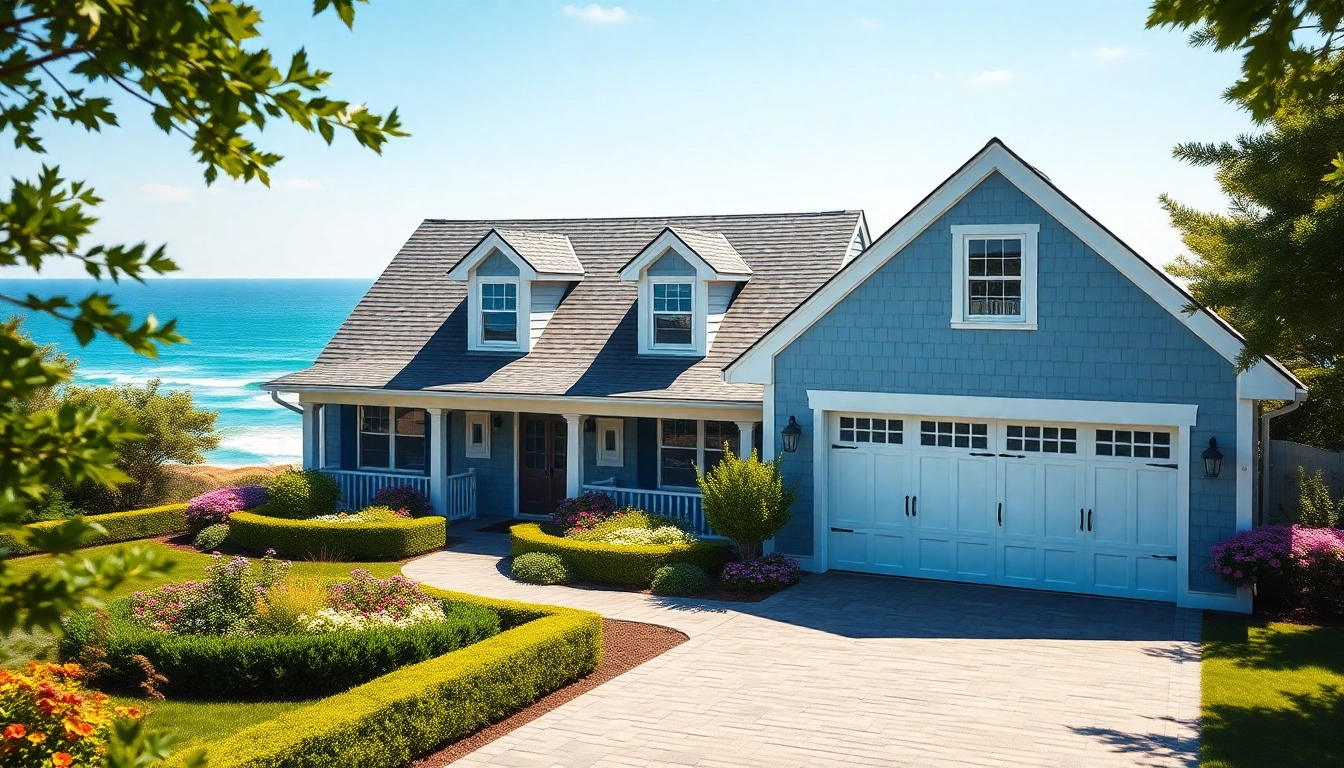
One of the distinguishing features of Cape Cod homes is their steeply pitched roofs, often featuring a gable design. This not only aids in snow management but also adds to the aesthetic flow of the home. Dormer windows enhance the interior space, allowing for natural light while providing an architectural focal point on the exterior. Another common aspect is the symmetrical facade, which contributes to a balanced and inviting appearance. Built from wood, the exterior is frequently coated in shingles, giving it a clean yet traditional look that resonates with many homeowners.
Why Cape Cod Homes Remain Popular
The allure of Cape Cod homes lies in their timeless beauty and adaptability. Today, they are not only seen as a nod to historical architecture but also valued for their modern functionality. The efficient use of space encourages a cozy yet spacious atmosphere, perfect for family living. Moreover, the potential for expansions or renovations, such as adding an attached garage, enhances their practicality without sacrificing their classic appeal.
Benefits of Adding an Attached Garage
Integrating an attached garage into a Cape Cod home can significantly enhance the living experience. The convenience of direct access to the home while providing additional storage and utility is a substantial benefit. Beyond convenience, an attached garage can enhance the home’s exterior and increase overall property value.
Space Efficiency and Convenience
An attached garage offers unparalleled convenience for homeowners, especially in climates where inclement weather can be a concern. After a long day, the last thing one desires is to navigate through rain or snow to reach their front door. Moreover, the additional storage space is invaluable for keeping seasonal items, tools, and vehicles out of the elements, freeing up space within the home itself for comfort and leisure.
Enhancing Property Value
Adding an attached garage is not just about personal convenience; it represents a wise investment in property value. Homebuyers often seek homes with garages, viewing them as essential for modern living. Research indicates that homes with garages often sell for approximately 10% more than homes without, making this an attractive feature for potential buyers.
Design Considerations for Attached Garages
When designing an attached garage for a Cape Cod home, it’s crucial to maintain architectural harmony. The garage should reflect the home’s design as closely as possible. Use similar materials—such as wood siding or shingles—and ensure that the roof pitch matches the main house to create a cohesive look. In addition to aesthetics, consider functionality; design the space with enough room for vehicles, and think about how it will fit into your daily routine.
Design Trends in Cape Cod Homes
As the architectural landscape evolves, Cape Cod homes are adapting to contemporary trends while preserving their classic charm. Understanding these trends can help homeowners create spaces that meet modern needs while maintaining the inherent spirit of Cape Cod style.
Open Floor Plans
Traditional Cape Cod homes often had segmented rooms that served distinct purposes. However, modern adaptations favor open floor plans that enhance flow and connectivity among spaces. This design promotes interaction and allows for the entry of more light, making homes feel larger and more inviting. Living rooms and kitchens often merge seamlessly, catering to the way families live and entertain today.
Eco-Friendly Building Materials
With a growing focus on sustainability, homeowners are increasingly opting for eco-friendly building materials. From reclaimed wood to energy-efficient windows, integrating these options not only supports the environment but can also result in cost savings over time. Many Cape Cod homes now incorporate green technologies that enhance energy efficiency, contributing to their appeal in contemporary markets.
Smart Home Technology Integration
The integration of smart home technology is another trend that aligns well with the Cape Cod aesthetic. Homeowners can innovate with smart thermostats, security systems, and energy-efficient appliances, all of which can be seamlessly integrated into the classic design. This not only enhances convenience but also appeals to tech-savvy buyers looking for modern comforts.
Case Studies of Cape Cod Homes
Real-world examples can provide insight into the potential of Cape Cod homes, particularly when considering renovations or enhancements like an attached garage. Analyzing transformations offers practical guidance and inspiration for homeowners contemplating similar projects.
Renovations That Elevate Style
Many homeowners have chosen to renovate their Cape Cod homes to not only preserve their historical elements but also elevate their style. One such project involved upgrading the interior layout with modern finishes while maintaining the integrity of the exterior. Enhancements like larger windows and modern siding choices provided a fresh look without straying too far from tradition.
Before-and-After Transformations
Visual documentation of before-and-after transformations reveals the incredible potential of Cape Cod homes. For instance, a modest Cape was expanded with an attached garage and updated kitchen, significantly improving both functionality and aesthetic appeal. The new garage, with its sleek wooden door matching the house siding, became a focal point rather than an afterthought.
Real-World Insights from Homeowners
Homeowners often report that their decision to add features like attached garages significantly improved their quality of life. They note that the convenience of immediate access from their garage to the home makes daily routines smoother, while the additional space enhances organization and utility. Testimonials emphasize thoughtful design decisions that blended the practical with the beautiful, maintaining the classic appeal of their Cape Cod homes.
FAQs About Cape Cod Homes
What is the typical style of Cape Cod homes?
Cape Cod homes are characterized by steep roofs, dormer windows, and a symmetrical facade, emphasizing simplicity and charm.
How do I choose the right garage for a Cape Cod home?
Consider the size, architectural style, and materials that complement your home’s aesthetics while ensuring functionality.
Are Cape Cod homes energy-efficient?
Yes, many Cape Cod homes incorporate energy-efficient designs and materials, making them sustainable and cost-effective.
What maintenance do Cape Cod homes require?
Regular maintenance includes checking roofs, painting, and ensuring proper drainage systems to preserve the home’s integrity.
Can I modernize a Cape Cod home while keeping its charm?
Absolutely! You can modernize the interiors and systems while maintaining historical architectural elements for visual cohesion.