
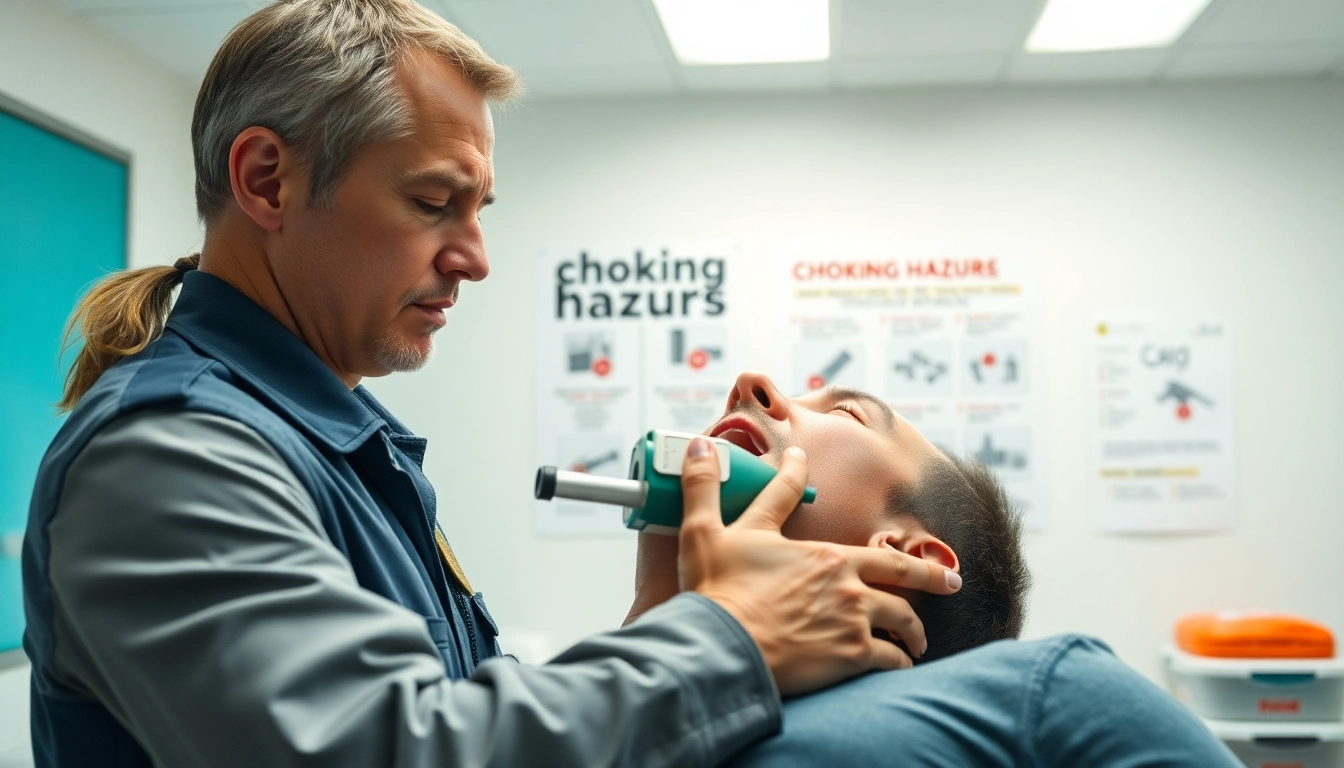
Understanding Choking and Its Impact on Health
What is Choking?
Choking occurs when an object obstructs the airway, preventing airflow to the lungs. This can happen suddenly and requires immediate action. Choking can be caused by food, toys, or other items that can block the airway. When someone is choking, it can lead to serious health complications, including unconsciousness and even death, if not addressed swiftly.
Statistics on Choking Incidents
Choking is a significant cause of injury and death worldwide. According to various studies and health organizations, thousands of choking incidents occur each year, affecting individuals of all ages. In particular, children are most at risk, with data showing that foods such as hot dogs, grapes, and nuts are leading causes of choking in young children. Adults are also affected, primarily by larger food items or improper swallowing. The statistics underscore the urgent need for effective choking response techniques and the implementation of lifesaving devices like the choking rescue device.
Common Causes of Choking
When it comes to choking incidents, understanding the most common causes is essential for prevention. In children, choking often stems from improperly sized food items, while adults may choke on larger pieces of food or poorly chewed items. Other common causes include:
- Uncut or large pieces of food
- Talking or laughing while eating
- Drinking alcohol, which may impair swallowing
- Swallowing without adequate moisture
Recognizing these causes can aid in prevention efforts, helping to keep individuals of all ages safe.
Importance of a Choking Rescue Device
How a Choking Rescue Device Functions
A choking rescue device is designed to assist in clearing an obstructed airway, employing mechanisms that can safely extract the obstructing material. These devices often operate through vacuum suction or mechanical dislodgment. For instance, suction devices create negative pressure to draw out the blockage, while mechanical units may use force to expel the airway obstruction directly.
Benefits of Using a Choking Rescue Device
Utilizing a choking rescue device in emergency scenarios offers a multitude of benefits:
- Increased success rate in emergency situations.
- Less physical strain on responders compared to manual methods.
- Designed for ease of use, making them accessible for bystanders.
- Reducing the need for invasive procedures.
By equipping facilities, restaurants, and homes with these life-saving devices, individuals can drastically improve their response to choking incidents.
Legal Considerations and Compliance
When adopting choking rescue devices, legal considerations play a crucial role. This can include understanding liability laws, compliance with health and safety regulations, and ensuring devices are maintained properly. Training staff on how to use these devices is equally important, as it not only ensures compliance but also prepares teams to act swiftly in emergencies.
When to Use a Choking Rescue Device
Signs of Choking in Adults
Identifying the signs of choking in adults can be vital for timely intervention. Common indicators include:
- Inability to speak or cry out
- Clutching the throat (universal choking sign)
- Gasping for breath or wheezing
- Changes in skin color (turning blue or pale)
Recognizing these signs can help ensure immediate action is taken, optimizing the chances of recovery.
Signs of Choking in Children
Children may exhibit slightly different signs when choking. In addition to the common signs listed for adults, parents and caregivers should be aware of:
- Coughing, which may be ineffective
- Inability to breathe or make sounds
- Facial expressions of panic
- Sudden changes in behavior or drowsiness
Understanding these indicators can prompt swift action, ensuring the child receives proper care promptly.
Timing and Urgency in Choking Situations
Time is of the essence when it comes to choking emergencies. In most cases, brain damage can occur in just a few minutes without oxygen. Therefore, recognizing symptoms early and using a choking rescue device promptly can significantly improve outcomes. If someone is displaying signs of choking, do not hesitate to intervene or call for emergency help.
Best Practices for Deploying a Choking Rescue Device
Preparation and Training for Emergency Responders
For any choking rescue device to be effective, users must receive adequate training. Courses should cover the operation of the device, recognizing choking signs, and practicing rescuing techniques. Conducting regular drills within organizations is also essential to ensure readiness. Training for emergency responders should emphasize teamwork and clear communication for optimal rescue efforts.
Step-by-Step Guide to Using a Choking Rescue Device
To ensure safe and effective application, the following steps outline how to use a choking rescue device:
- Assess the situation and confirm that the individual is indeed choking.
- Retrieve the choking rescue device quickly.
- Follow the manufacturer’s instructions for use.
- Position the device correctly over the person’s mouth as indicated by the guide.
- Activate the device as per the guidelines to create suction or dislodge the object.
- Monitor the individual closely and prepare for further medical assistance if needed.
Following these steps can lead to successful airway clearance, saving lives with minimal risk.
Post-Rescue Procedures and Follow-Up Care
Once a choking incident has been resolved, it is essential to assess the individual’s well-being. Even if the obstruction has been removed, the person may need medical evaluation to ensure no internal damage occurred. Providers should look for:
- Signs of trauma
- Persistent cough or wheezing
- Difficulty breathing
Encouraging follow-up care is crucial, as it allows for monitoring potential complications and providing support.
FAQs about Choking Rescue Devices
What is a choking rescue device?
A choking rescue device is equipment designed to assist in expelling an object blocking the airway in emergency situations.
How effective are choking rescue devices?
Choking rescue devices are highly effective when used properly, significantly increasing the chances of saving someone in distress.
Can anyone use a choking rescue device?
Generally, anyone trained in first aid can use a choking rescue device safely and effectively during emergencies.
What are the types of choking rescue devices?
Common types include suction devices, mechanical dislodging units, and inflatable chest compressors designed for choking emergencies.
How often should a choking rescue device be maintained?
Regular maintenance and checks should be performed at least annually to ensure the device functions properly during emergencies.