Understanding Colonial Home Construction
Colonial home construction is a fascinating blend of history, tradition, and architecture that remains a popular choice among homeowners today. A well-constructed colonial home not only provides comfort but also evokes a sense of heritage and elegance. As you embark on your journey to create a colonial home, understanding its historical context, structural features, and construction details is essential. Explore the fascinating world of colonial home construction as we delve into its various elements.
Historical Influences on Colonial Architecture
The roots of colonial architecture can be traced back to the early settlers of America, influenced heavily by European styles. English, Dutch, French, and Spanish settlers each left their mark, resulting in a variety of colonial home styles. For instance, the Georgian style, prevalent in the 18th century, showcases symmetry and proportion, heavily influenced by classical architecture.
Regions also played a crucial role in shaping colonial architecture. The New England Colonies often featured steep roofs and wooden frames, designed to withstand harsh winters, while southern colonies favored wider porches and brick structures to cope with the heat. As you study these influences, you can appreciate how they contribute to the unique characteristics of colonial homes across different regions.
Key Features of Colonial Homes
Colonial homes are celebrated for their distinct features, which include:
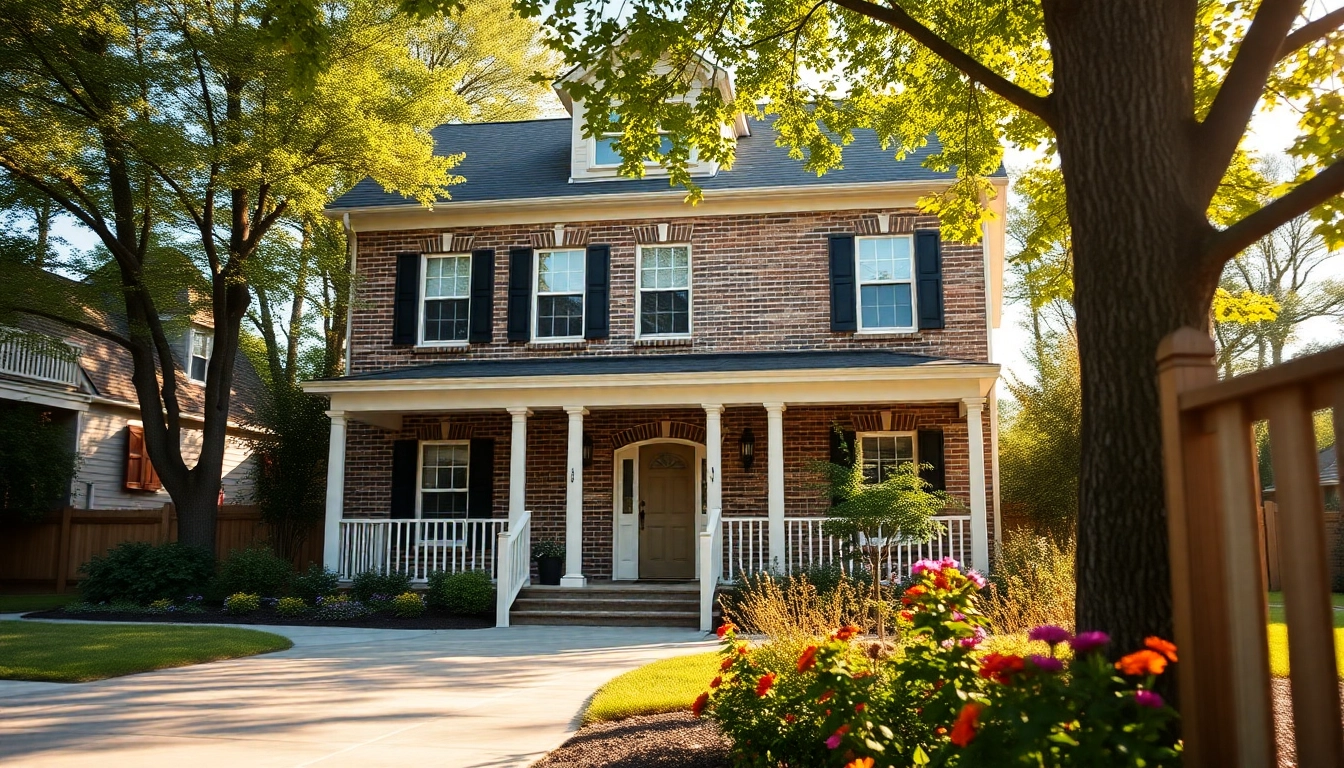
- Symmetry: Many colonial homes feature a symmetrical facade, often with central doors and evenly spaced windows.
- Multiple Stories: Traditionally, colonial homes are two or three stories high, allowing for ample living space.
- Classic Rooflines: Gable roofs are common, typically steep and often adorned with dormer windows.
- Chimneys: Central or end chimneys are prevalent, often serving multiple fireplaces.
- Pillared Porches: Many colonial homes include grand porches supported by columns.
These features not only reflect a particular aesthetic but are also functional, adapting to the climatic conditions of the various regions where colonial homes were constructed.
Materials Used in Colonial Home Construction
The construction of colonial homes predominantly utilized locally-sourced materials, which varied based on geographic location. Common materials include:
- Wood: Timber was the primary material in the northern colonies, where expansive forests provided ample resources.
- Brick: In the southern colonies, bricks became prevalent due to the availability of clay.
- Stone: Utilized in areas where it was readily available, stone homes are known for their durability.
- Stucco: Often used in warmer climates, stucco offered insulation benefits and a flexible aesthetic.
Understanding these materials is crucial when planning your colonial home construction project, as they not only influence the home’s appearance but also its longevity and sustainability.
Planning Your Colonial Home Project
Once you have a firm grasp of the historical influences and defining features of colonial homes, the next step is planning your project effectively. Successful planning includes budgeting, selecting the right location, and collaborating with skilled professionals.
Budgeting for Colonial Home Construction
Budgeting for a colonial home is akin to crafting a blueprint. Start by determining a realistic budget that includes all potential costs such as materials, labor, permits, and interior finishes. Consider incorporating a contingency fund for unexpected expenses, typically 10-20% of the total budget. The average cost of constructing a colonial home generally ranges from $150 to $250 per square foot, depending on various factors, including design complexity and material choices.
Choosing the Right Location
The location of your colonial home is paramount. Factors to consider include proximity to schools, work, and amenities, as well as zoning laws that may affect your construction. Establishing whether the area has preserved its colonial charm can enhance the aesthetic value of your home. Moreover, consider the environmental aspects such as terrain, drainage, and potential natural hazards.
Working with Architects and Designers
Collaboration with architects and designers who understand colonial architecture is vital for achieving your desired outcome. Look for professionals with experience in residential construction and a portfolio of colonial-style homes. They can help translate your vision into a workable design while ensuring that it adheres to local building codes and regulations. Effective communication with your chosen team also guarantees that your expectations are met throughout the construction journey.
Construction Process for Colonial Homes
The construction process for a colonial home involves multiple stages, each requiring meticulous attention to detail. Understanding the various steps can help minimize potential delays and cost overruns.
Step-by-Step Construction Timeline
The construction timeline can significantly differ based on the complexity of the design and materials used. A typical roadmap may include the following phases:
- Planning and Design: Custom designing and obtaining necessary permits (1-3 months).
- Site Preparation: Clearing the land, excavation, and foundation work (1-2 months).
- Framing: Building the structural framework (1-2 months).
- Roofing and Siding: Installing the roof and outer walls (1 month).
- Interior Finishing: Electrical, plumbing, and interior flooring/walls (2-3 months).
- Exterior Finishing and Landscaping: Final touches and landscape work (1 month).
Generally, construction can take anywhere from six months to a year, depending on the scale of the project.
Key Challenges in Colonial Home Construction
Colonial home construction can present several challenges, such as:
- Historical Restrictions: If building in a historically sensitive area, you may face restrictions that influence your design.
- Supply Chain Issues: Delays in sourcing traditional materials can impact timelines.
- Weather Considerations: Weather conditions can affect construction schedules, especially for exterior work.
Address these challenges by conducting thorough research, communicating proactively with contractors, and being prepared to adapt plans as necessary.
Permits and Regulations You Need to Know
Navigating permits and regulations is crucial in the construction process. Requirements vary by location but may include building permits, zoning approvals, and inspections at critical stages of the build. Familiarize yourself with local codes and regulations to ensure compliance, avoiding delays or fines. Engaging a knowledgeable contractor can also streamline this process significantly.
Cost-Effective Tips for Colonial Home Construction
When embarking on a colonial home construction project, integrating cost-effective strategies can help you achieve your vision without exceeding your budget.
Smart Sourcing of Materials
One of the most significant factors in your budget is the materials you choose. Opt for reclaimed or locally sourced materials whenever possible. Not only can this save money, but it can also enhance the character of your home. Establish relationships with local suppliers to negotiate better prices and gain access to quality materials.
Choosing Energy-Efficient Solutions
Incorporating energy-efficient features can lead to long-term savings by reducing energy costs. Modern colonial homes can integrate techniques such as quality insulation, energy-efficient windows, and solar panels. Invest in Energy Star-rated appliances as well, which may qualify you for government incentives while minimizing your ecological footprint.
Maintaining Quality Within Budget
Balancing quality with budget constraints is essential. Focus on high-impact areas where quality is critical, such as structural components and roofing while opting for more economical choices in less visible spaces. Regularly monitor the construction process to ensure quality control, enabling you to address potential issues before they escalate.
FAQs about Colonial Home Construction
What is the average cost of constructing a colonial home?
The cost typically ranges between $150 to $250 per square foot, depending on materials and location.
How long does colonial home construction usually take?
Construction can take anywhere from six months to a year, depending on the project’s scale and complexity.
What style variants exist within colonial homes?
Common styles include Georgian, Federal, Dutch, and Cape Cod, each with unique characteristics and designs.
Are colonial homes energy-efficient?
Modern colonial home constructions can be designed to incorporate energy-efficient features like insulation and solar panels.
Can I customize a colonial home design?
Absolutely, many designs allow for personalization to suit your taste while respecting traditional architectural elements.