Understanding Cabinet Refacing
What is Cabinet Refacing?
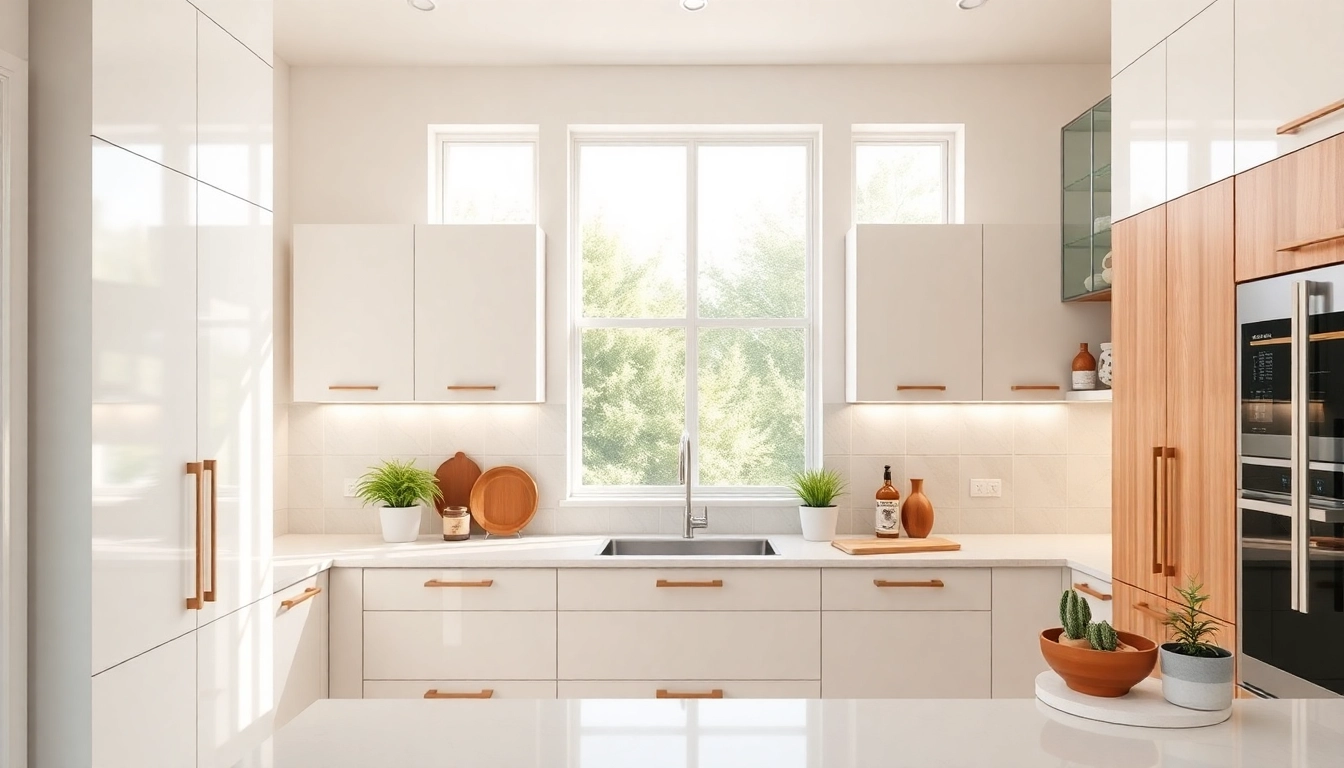
Cabinet refacing is a cost-effective option to revitalize your kitchen or bathroom cabinets without the expense and hassle of a full replacement. This process involves replacing cabinet doors and drawer fronts while keeping the original cabinet boxes intact. By doing so, homeowners maintain the structural integrity of their existing cabinetry while giving their space a fresh, updated look. It’s a popular choice for those looking to enhance the aesthetics of their kitchens without undertaking a major renovation.
Benefits of Cabinet Refacing
Cabinet refacing offers numerous benefits that make it an attractive option for homeowners:
- Cost-Effective: Refacing is typically less expensive than a full cabinet replacement, allowing for significant savings.
- Less Time-Consuming: The refacing process is generally quicker than a complete remodel, often taking just a few days.
- Eco-Friendly: By reusing the existing cabinet structure, refacing minimizes waste and is a more sustainable choice.
- Design Flexibility: Homeowners can select from a wide variety of materials, colors, and styles to find the perfect look for their space.
- Increased Home Value: Updated cabinets enhance the overall appeal of your home, making it more attractive to potential buyers.
Common Materials Used
During cabinet refacing, several materials are commonly used to achieve a fresh, new look:
- Wood Veneer: A thin layer of real wood that can provide a rich, natural look.
- Laminates: A versatile, affordable option available in various colors and styles that can mimic the look of wood.
- Paint: A simple and effective way to change the color of the cabinets, allowing for endless customization.
- Thermofoil: A vinyl material that wraps around the MDF or plywood doors, offering a seamless, easy-to-clean finish.
Choosing the Right Style
Popular Designs for Cabinet Refacing
Choosing the right style for your cabinet refacing project is crucial to creating the desired aesthetic in your home. Here are some popular designs to consider:
- Shaker Style: Known for its clean lines and simplicity, Shaker cabinets work well in both traditional and modern homes.
- Flat-Panel: This contemporary choice features a smooth, flat surface that’s easy to clean and offers a minimalist look.
- Raised Panel: Provides a more traditional and elegant appearance, ideal for classic and vintage-inspired kitchens.
- Glass-Front Cabinets: Incorporating glass into your design allows a display of dishware and adds visual interest to the space.
Color Schemes that Work
Color plays a significant role in the overall feel of your cabinets. Some timeless color schemes include:
- Neutral Tones: Whites, greys, and beiges offer an inviting and clean look that complements any décor.
- Bold Colors: Rich hues like navy, emerald green, or deep red can make a striking statement and reflect personal style.
- Monochromatic Schemes: Different shades of the same color create depth and sophistication in your cabinetry.
- Contrasting Colors: Using two contrasting colors can add visual interest, such as pairing dark cabinets with light-colored countertops.
Combining Refacing with Other Renovations
Cabinet refacing can be effectively integrated with other home renovation projects. Here are some considerations:
- Countertop Replacements: Updating countertops to match new cabinet styles enhances the overall aesthetic.
- Backsplash Upgrades: A new backsplash can complement refaced cabinets and create a cohesive design theme.
- Lighting Enhancements: Installing under-cabinet lighting can highlight refaced cabinetry, adding functionality and ambiance to the space.
DIY vs. Professional Services
Assessing Your Skills for DIY Refacing
Deciding whether to tackle the refacing project as a DIY endeavor depends on your skills and comfort level. Here are some things to consider:
- Tool Proficiency: Familiarity with tools such as saws, drills, and sanders is essential for a successful DIY project.
- Time Commitment: Consider whether you have the time available to commit to a DIY project, as it can be more time-consuming than anticipated.
- Attention to Detail: Refacing requires precision. If you’re meticulous and patient, you may be a good candidate for DIY.
When to Hire Professionals
In some cases, hiring professionals may be the best option. Consider these scenarios:
- Complex Designs: If your design is intricate or requires custom work, professionals have the experience and skills to handle it effectively.
- Time Constraints: If you’re busy and can’t dedicate the necessary time, a professional service can get the job done swiftly.
- Quality Assurance: Hiring experts ensures a high-quality finish, reducing the risk of mistakes that could lead to additional costs.
Cost Considerations
The cost of cabinet refacing can vary significantly based on several factors:
- Material Choices: Premium materials will increase the overall cost but can enhance the aesthetic and durability.
- Size of the Project: The number of cabinets and their size will directly influence pricing; larger kitchens will cost more.
- Labor Expenses: If hiring a professional, labor costs can significantly influence the total project cost.
Steps to a Successful Cabinet Refacing Project
Preparing Your Workspace
Preparation is key to a successful cabinet refacing project. Follow these steps:
- Clear the Area: Remove all items from the cabinets to allow for unobstructed work.
- Protect Surfaces: Cover countertops and floors with drop cloths to prevent damage.
- Gather Tools and Materials: Ensure you have everything you need, from new cabinet doors to adhesive and tools, before starting.
Selecting the Right Hardware
The hardware chosen for your cabinets significantly impacts the final look. Consider the following:
- Handles and Knobs: Select styles that complement your cabinet design; modern, minimalist handles or vintage knobs can dramatically change aesthetics.
- Hinges: Ensure the hinges are durable and match the finish of the handles for a cohesive look.
- Soft-Close Mechanisms: Adding soft-close options can enhance functionality and prevent wear over time.
Final Touches and Maintenance
Once the refacing is complete, consider these final touches:
- Cleaning: Remove dust and debris from the cabinets to maintain the finish.
- Final Adjustments: Check for alignment and make necessary adjustments to doors and drawers.
- Regular Maintenance: Maintain your cabinets by cleaning them regularly with mild soap and water, avoiding harsh chemicals to preserve the finish.
Cost and Value of Cabinet Refacing
Factors Influencing Cost
The cost of cabinet refacing is influenced by a range of factors that should be taken into account:
- Material Quality: High-quality materials will typically come with a higher price tag but can offer better durability and aesthetics.
- Project Scope: The size of your kitchen and the number of cabinets being refaced directly contribute to cost calculations.
- Labor Costs: Hiring professionals will increase final costs, while DIY may save money but requires investment in time and effort.
Comparing Costs with Replacement
When considering cabinet refacing versus full replacement, it’s essential to analyze the cost-effectiveness:
- Overall Costs: Refacing can be up to 50% less than complete replacement costs, depending on materials and labor.
- Time Efficiency: Refacing typically takes much less time than replacement, leading to less disruption in your home.
- Return on Investment: A well-executed refacing project can significantly enhance your home’s value while being less cumbersome than replacement.
Long-term Value of Refaced Cabinets
Investing in cabinet refacing offers not only immediate aesthetic improvements but also long-term benefits:
- Longevity: High-quality materials and craftsmanship during refacing can increase the lifespan of your cabinetry.
- Increased Home Value: Renovated kitchens are attractive to potential buyers, contributing to a higher resale value for your home.
- Timeless Appeal: Cabinet refacing allows you to customize your cabinets to match changing styles over time, keeping your home feeling fresh and modern.
Frequently Asked Questions
What is cabinet refacing?
Cabinet refacing involves replacing cabinet doors and drawer fronts while keeping the existing cabinet structure, enhancing the kitchen’s aesthetics.
How long does the refacing process take?
The cabinet refacing process can typically take 3 to 5 days, depending on the scope of the project and the number of cabinets.
Is cabinet refacing cost-effective?
Refacing is often significantly more affordable than completely replacing cabinets, offering a fresh look without the hefty price tag.
Can I choose my cabinet design?
Yes, you can choose from various materials, colors, and styles to match your kitchen’s décor during the cabinet refacing process.
How do I maintain refaced cabinets?
Maintain your refaced cabinets by cleaning them with a soft damp cloth and avoiding harsh chemicals to preserve the finish.
For exceptional services in cabinet refacing, explore Cabinet Refacing Largo FL for a truly transformative experience.