
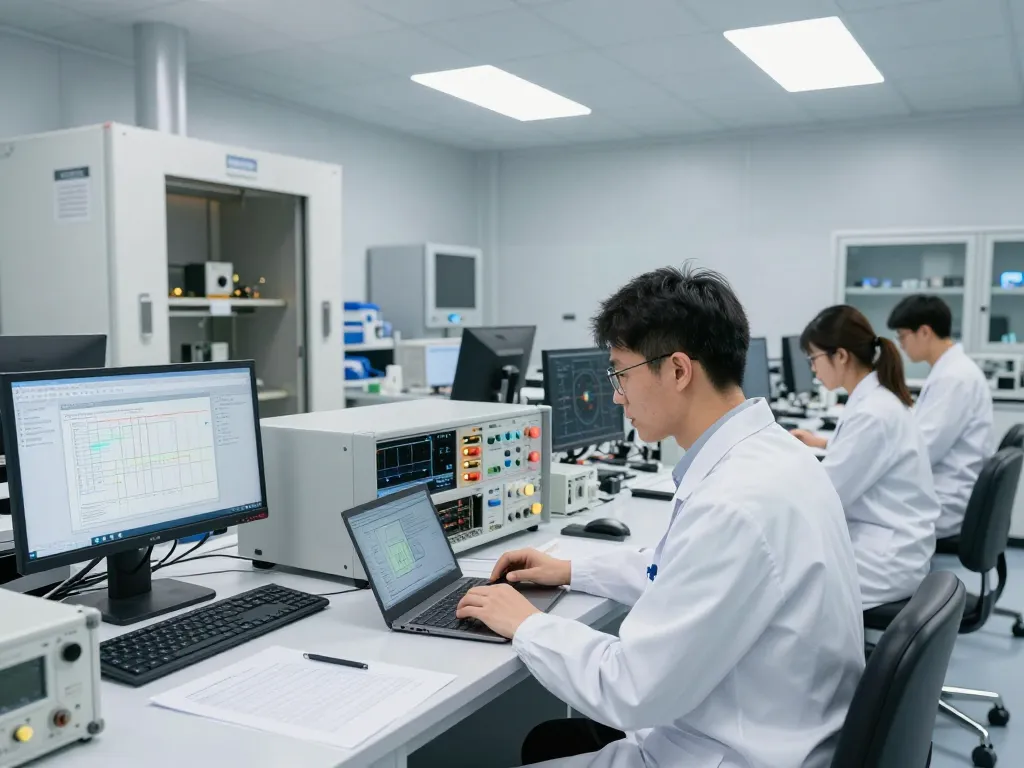
Understanding EMC Testing: Essential Concepts
Electromagnetic Compatibility (EMC) testing is a critical process that ensures electronic devices operate effectively without causing harmful electromagnetic interference. As we advance into 2026, the importance of EMC compliance is becoming more pronounced across various industries, including telecommunications, automotive, and medical devices. Proper EMC testing not only safeguards the integrity of products but also facilitates regulatory approvals, thereby streamlining the path to market. When exploring options, EMC testing offers comprehensive insights and solutions that can significantly enhance compliance strategies.
What is EMC Testing?
EMC testing involves evaluating how well an electronic device can function in its electromagnetic environment, without introducing intolerable levels of electromagnetic disturbance. The tests generally fall into two main categories: emissions testing, which measures the electromagnetic emissions from a device, and immunity testing, which assesses a device’s resistance to external electro-magnetic interference.
Why is EMC Compliance Important?
Achieving EMC compliance is essential for several reasons:
- Regulatory Requirements: Many regions enforce strict EMC regulations that must be adhered to for electronic devices to be sold or operated.
- Product Reliability: Compliance ensures that products can function reliably in their intended environments, reducing the risk of product failure.
- Market Access: Non-compliance can lead to delays in market entry, increased costs due to redesign, and potential legal issues.
Overview of EMC Testing Standards
EMC testing must adhere to various international standards, which vary by industry and region. Common standards include:
- IEC 61000: A widely accepted series of standards governing EMC testing for electrical and electronic devices.
- CISPR: Standards that specify limits for electromagnetic interference in radiated and conducted emissions.
- FCC Part 15: Regulations enforced by the Federal Communications Commission in the United States regarding unintentional radiators.
The EMC Testing Process: A Step-by-Step Guide
Initial Consultation and Requirements Gathering
The EMC testing journey begins with a detailed consultation. During this phase, testing laboratories gather essential information about the product, its intended use, and specific testing requirements. This information is crucial for tailoring the testing process to meet regulatory standards effectively.
Conducting Radiated and Conducted Tests
After the initial consultation, laboratories proceed with conducting both radiated and conducted emissions testing. Radiated tests measure the electromagnetic energy emitted by the device in an open field, while conducted tests assess the signals conducted through power lines or other connections.
Analysis of Test Results and Reporting
Upon completion of the tests, engineers analyze the results to determine compliance with the relevant standards. Detailed reports are generated that outline the findings, including any instances of non-compliance and recommendations for modifications. An actionable report can be invaluable for guiding design improvements and retesting processes.
Key Challenges in Achieving EMC Compliance
Common Obstacles in the EMC Testing Process
Achieving EMC compliance is not without its challenges. Common obstacles include:
- Complex Designs: Modern devices often incorporate advanced technology that complicates EMC compliance.
- Environmental Factors: Factors such as the product’s operational environment can influence its electromagnetic performance.
- Cost Implications: Redesigning a product to meet EMC requirements can significantly increase development costs.
Design Modifications for Compliance
Based on test results, design modifications may be recommended to alleviate any interference issues. These could involve altering circuit layouts, adding shielding, or selecting different components that are better suited for EMC compliance.
Mitigating Interference Issues
To mitigate potential electromagnetic interference, engineers often recommend implementing filters, grounding techniques, and proper enclosure design. Each of these strategies can enhance the device’s immunity to external electromagnetic fields.
Industries that Benefit from EMC Testing
Telecommunications and Medical Devices
The telecommunications industry heavily relies on EMC testing to ensure that devices can communicate effectively without interference. Similarly, medical devices must undergo stringent EMC testing to ensure patient safety and device functionality within sensitive environments.
Automotive Industry Compliance Requirements
The automotive sector faces specific EMC requirements due to increasing electronic components in vehicles. Compliance with standards such as ECE Regulation 10 (R10) is necessary to avoid issues like electromagnetic interference that could affect vehicle performance.
Consumer Electronics and IT Equipment
Consumer electronics and IT equipment manufacturers must ensure their products meet EMC standards to avoid malfunctions and damage to other nearby devices. This is particularly crucial as devices become more interconnected in today’s IoT-driven world.
Future Trends in EMC Testing: What to Expect in 2026
Innovations in Testing Technology
As the world progresses towards greater technological sophistication, innovations in testing methodologies and equipment are expected. Advanced simulation tools and automated testing environments may soon allow for faster, more efficient testing processes.
Regulatory Changes and Compliance Standards
With the rapid pace of technological advancement, regulatory bodies are likely to update standards to address emerging challenges in electromagnetic compatibility. Staying abreast of these changes will be crucial for manufacturers.
Impact of IoT on EMC Testing Procedures
The proliferation of IoT devices amplifies the demand for effective EMC testing. As these devices operate in closer proximity to one another, ensuring their electromagnetic compatibility will become increasingly important to avoid interference and maintain performance integrity.
What is the purpose of EMC testing?
The primary purpose of EMC testing is to ensure that electronic devices operate effectively in their intended electromagnetic environments without causing unacceptable interference.
How long does the EMC testing process take?
The timing for EMC testing can vary widely based on the complexity of the device and the specific requirements. Generally, the complete process, including consultation, testing, and analysis, can take anywhere from a few weeks to several months.
What industries require EMC testing?
Industries such as telecommunications, healthcare, automotive, and consumer electronics all require EMC testing to comply with regulatory standards and ensure product functionality.
What are the costs associated with EMC testing?
The costs for EMC testing depend on multiple factors, including the type of testing required, the complexity of the device, and the specific standards being assessed. Organizations should budget accordingly to accommodate these factors.
How can companies prepare for EMC testing?
Preparation for EMC testing involves reviewing design specifications, ensuring proper grounding and shielding, and conducting preliminary in-house testing to identify potential issues before formal evaluations.